
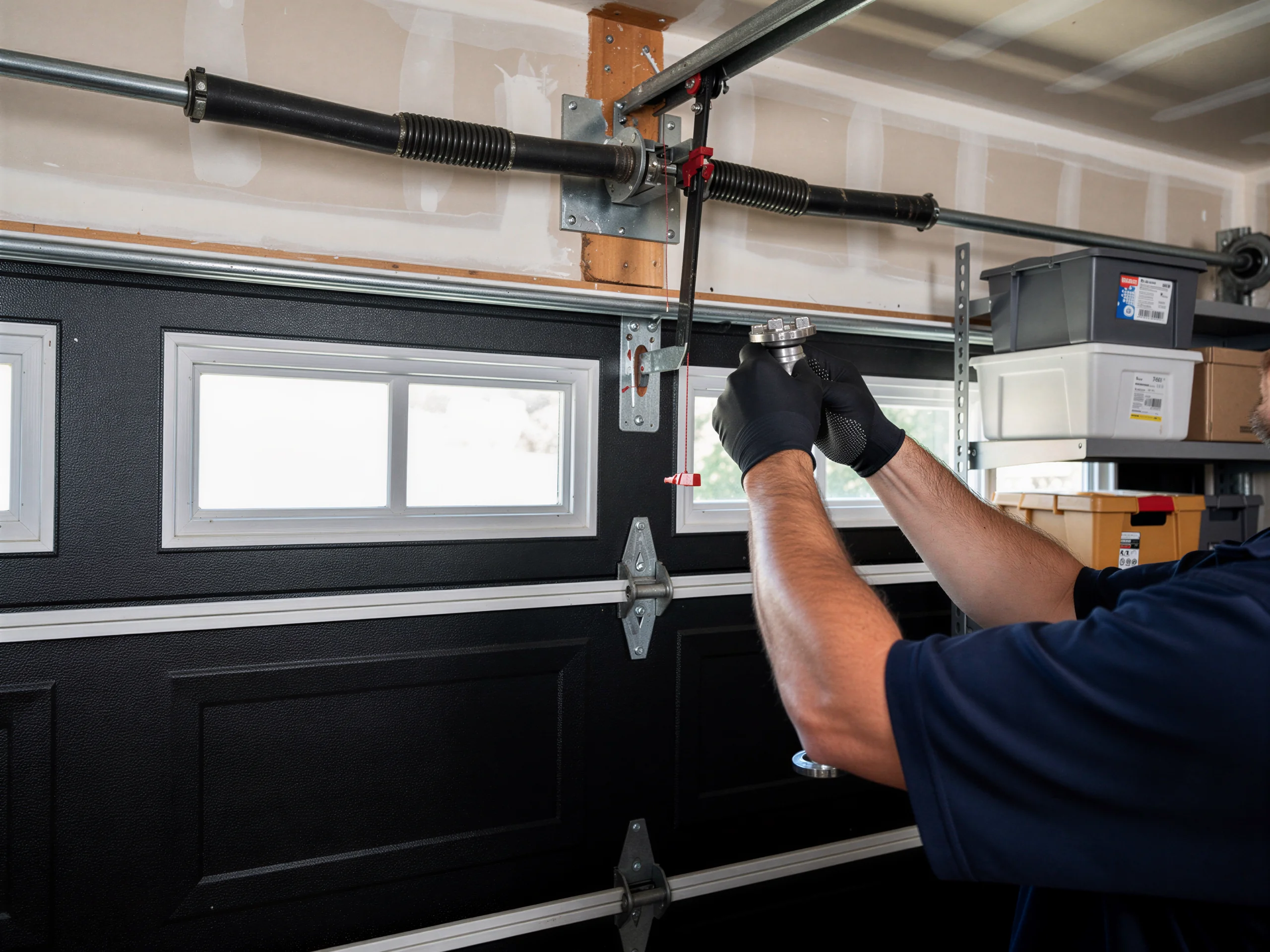
Winding bar injury hazard
That's the honest reason we don't walk homeowners through a DIY spring swap over the phone - the winding bars, the clamps, the tension itself can take a finger or worse if the spring lets go while you're on the ladder.
Minot, ND
Torsion springs fail fast in Minot's cold winters and aging housing stock. Minot Garage Door Pros fixes broken springs across the service area and nearby.
Popular Services
DIY or pro
A torsion spring holds a lot of stored energy, and the bar it winds around sits directly above where you'd be standing to work on it.
That's the honest reason we don't walk homeowners through a DIY spring swap over the phone - the winding bars, the clamps, the tension itself can take a finger or worse if the spring lets go while you're on the ladder.
Extension springs, the kind mounted along the horizontal tracks on some older single-car doors, carry less stored force, but the cable and pulley setup still bites people who haven't done it before. With 761 owner-occupied houses across this service area, a good share of them built with the original torsion hardware still bolted to the header, we hear the same question a lot: can I just do this myself and skip the call?
If you're comfortable with a torque wrench and you've watched someone do it in person, a single extension spring on a light door is a different conversation than a torsion spring on a double door. But if you have to ask which kind you have, that's your answer. Call it in and let someone who does this daily handle the winding bars.
Local causes
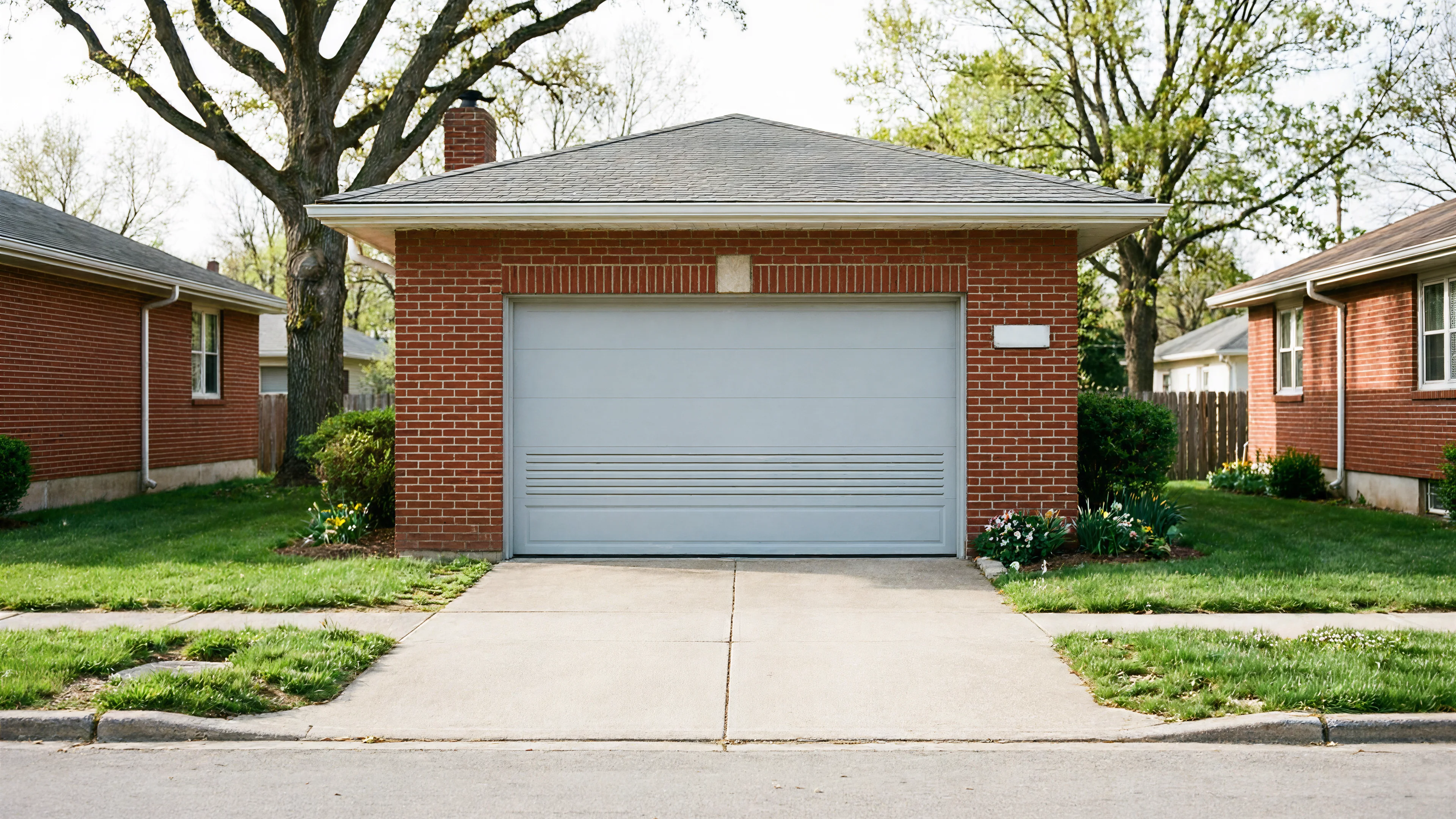
Most of the housing stock in this service area went up between 1963 and 1998, with the typical home dating to 1973, and the bulk of that is 1960s and 70s construction. A lot of those garages still run on the torsion springs that came with the original build - steel wire that's now been winding and unwinding for fifty-plus years. Steel fatigues with cycle count, and cold makes it worse: this area sits in the severe end of the cold climate band, and a spring that's flexed thousands of times in sub-zero temperatures loses elasticity faster than the same spring would in a mild climate.
That combination - old wire, decades of cycles, hard winters - is why spring failure shows up here on a predictable schedule rather than as a random event. A door that's opened twice a day for fifty years has seen somewhere around 35,000 cycles, and torsion springs are typically rated well under that. Add in a cold snap that makes the steel brittle right as it's under full tension, and that's usually the week the phone starts ringing. It's not a defect in any one door - it's the age of the stock meeting the climate it sits in.
Symptoms
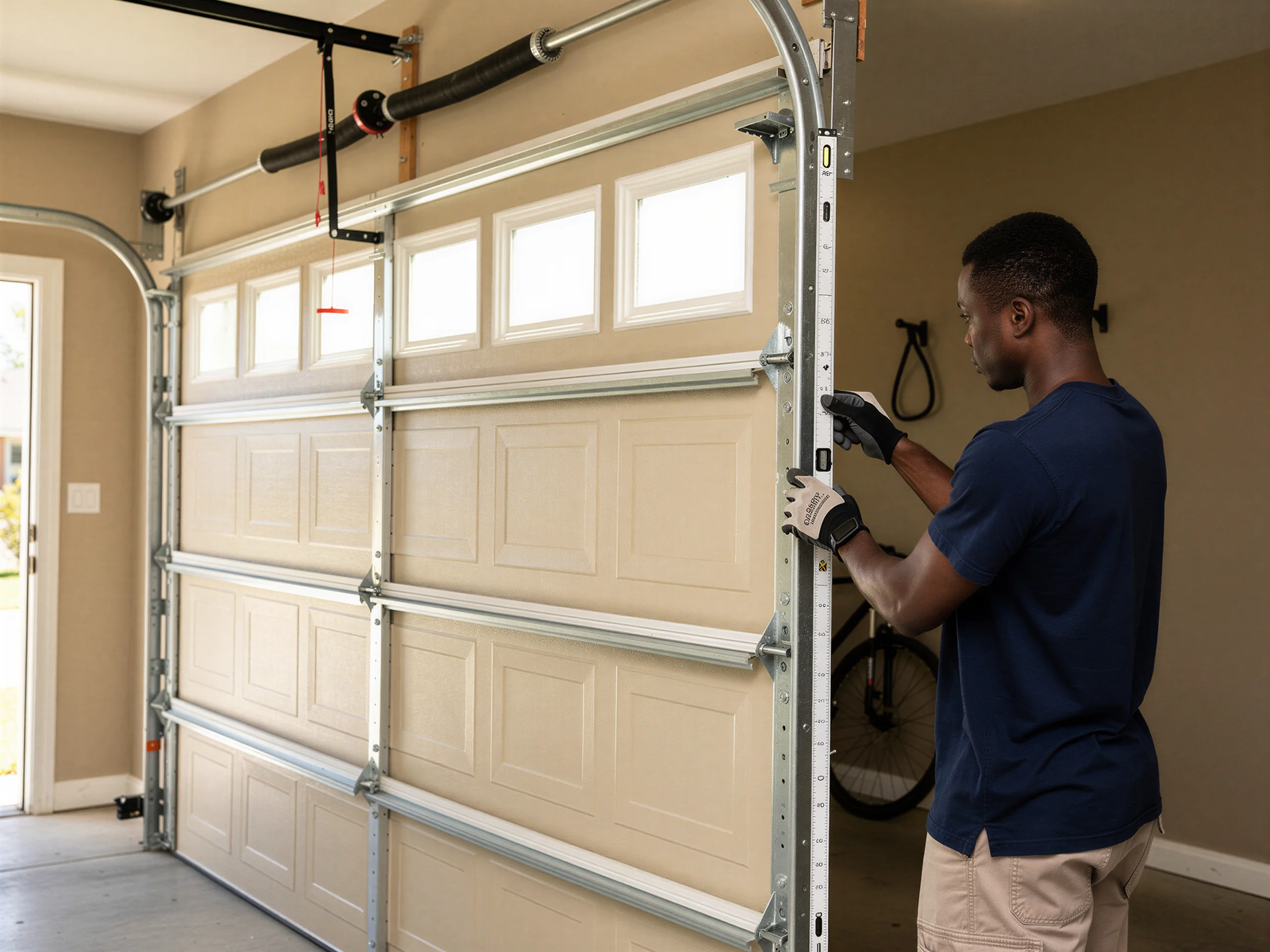
The clearest sign is a door that won't budge, or one that the opener strains against and then gives up partway. If you pull the release cord and try to lift the door by hand and it feels like dead weight instead of the usual balanced lift, the spring - or one of a pair, on a double door - has likely gone.
A loud bang from the garage, often in the morning when the metal is coldest, is usually the spring itself letting go rather than something falling. On doors with two torsion springs, one can fail while the other still holds some tension, so the door might still move but will hang crooked, with one side lower than the other, or it will jerk instead of sliding smooth on the track.
Look at the spring itself if you can see it safely from a distance - a visible gap in the coil, rather than it sitting tight and continuous, means it's broken.
A cable that's gone slack on one side, even though the door still looks shut, is the same failure showing up at the drum instead of the spring.
Watch-outs
A broken spring rarely stays an isolated problem if the door keeps getting used. The opener motor isn't built to lift the full weight of a garage door on its own - it assumes the spring is doing most of the work - so running the opener repeatedly against a dead spring puts heavy strain on the drive gear and can burn out the motor.
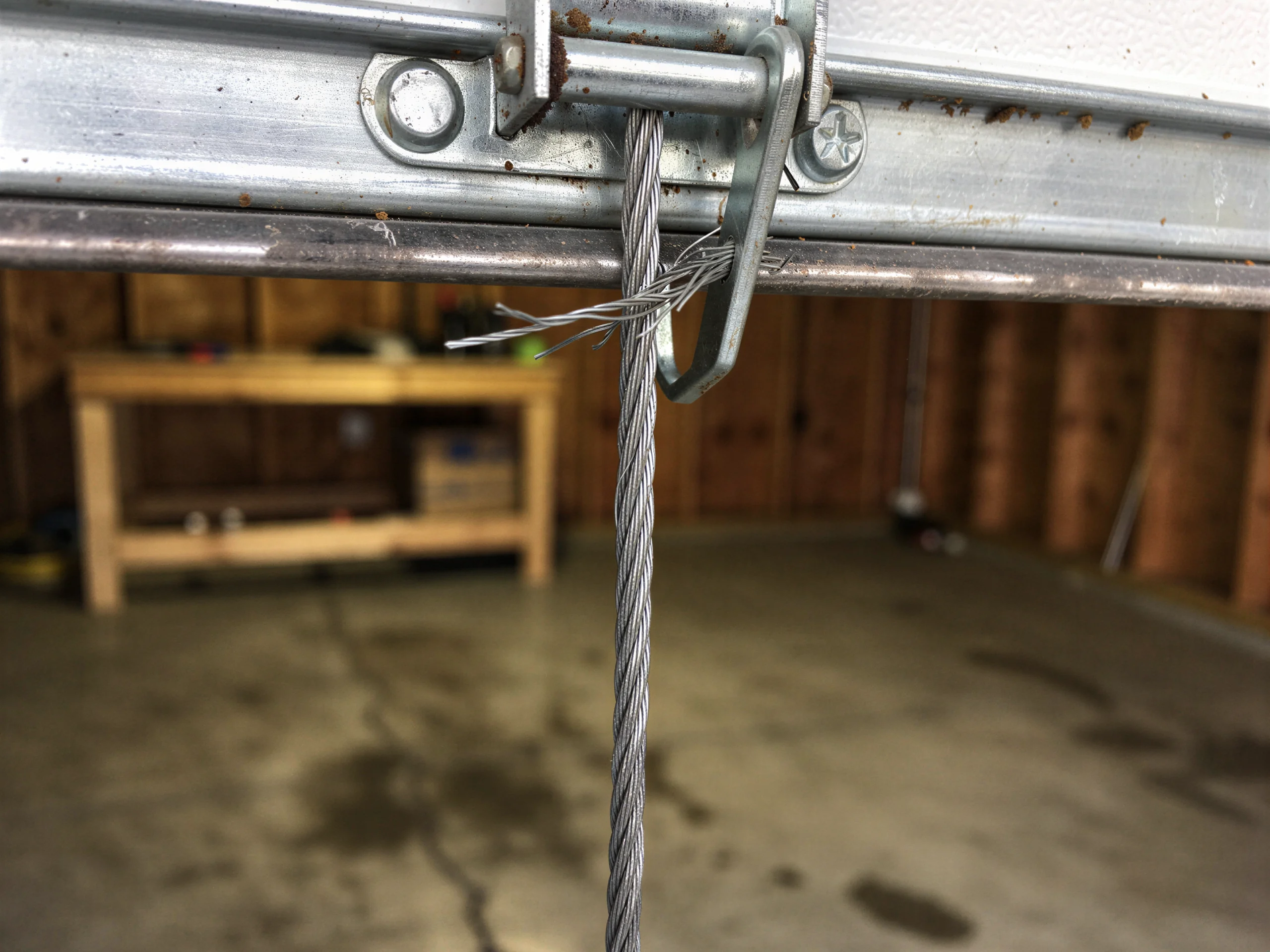
Once the opener fails too, you're looking at two repairs instead of one. A slack cable from a failed spring can also jump the drum and tangle, which under load can bend the track it runs on.
On older two-car doors common in this area's 1970s-era housing, the panels are heavier than on newer lightweight doors, so an unbalanced lift puts more stress on the rollers and hinges, and a door forced down off-balance can come off the track entirely.
The real risk is a door dropping while someone is underneath it or has a hand on the frame - that's the scenario a stuck or failing spring sets up, and it's the reason this isn't a repair worth putting off once you've noticed the symptoms.
Questions
Pull the manual release cord and lift the door by hand. If it feels heavy and won't stay up on its own partway, the spring has lost tension or broken - a healthy door should hold roughly level wherever you let go. If the door lifts fine by hand but the opener won't move it, the problem is more likely the opener or its drive gear, not the spring.
We don't recommend it. A torsion spring under tension can cause serious injury if the winding bars slip, and most people don't own the right tools or know the right wind count for their door's weight. A single extension spring on a light door is lower risk, but if you're unsure which type you have, that uncertainty is itself the reason to call someone out.
This area sits in the severe end of the cold climate band, and steel loses some flexibility as it gets colder. A spring that's already fatigued from decades of cycling is more likely to snap under full tension on a cold morning than on a warmer day, which is why failures tend to cluster in the coldest stretches of the year.
Yes, the service area includes nearby towns - Surrey, about 7 miles out, Des Lacs at 13 miles, Sawyer at 14, and Glenburn at 19. All of them sit in the same cold climate band and share similar housing ages, so the same spring issues show up across the area, not just inside Minot.
Explore more
Ready when you are
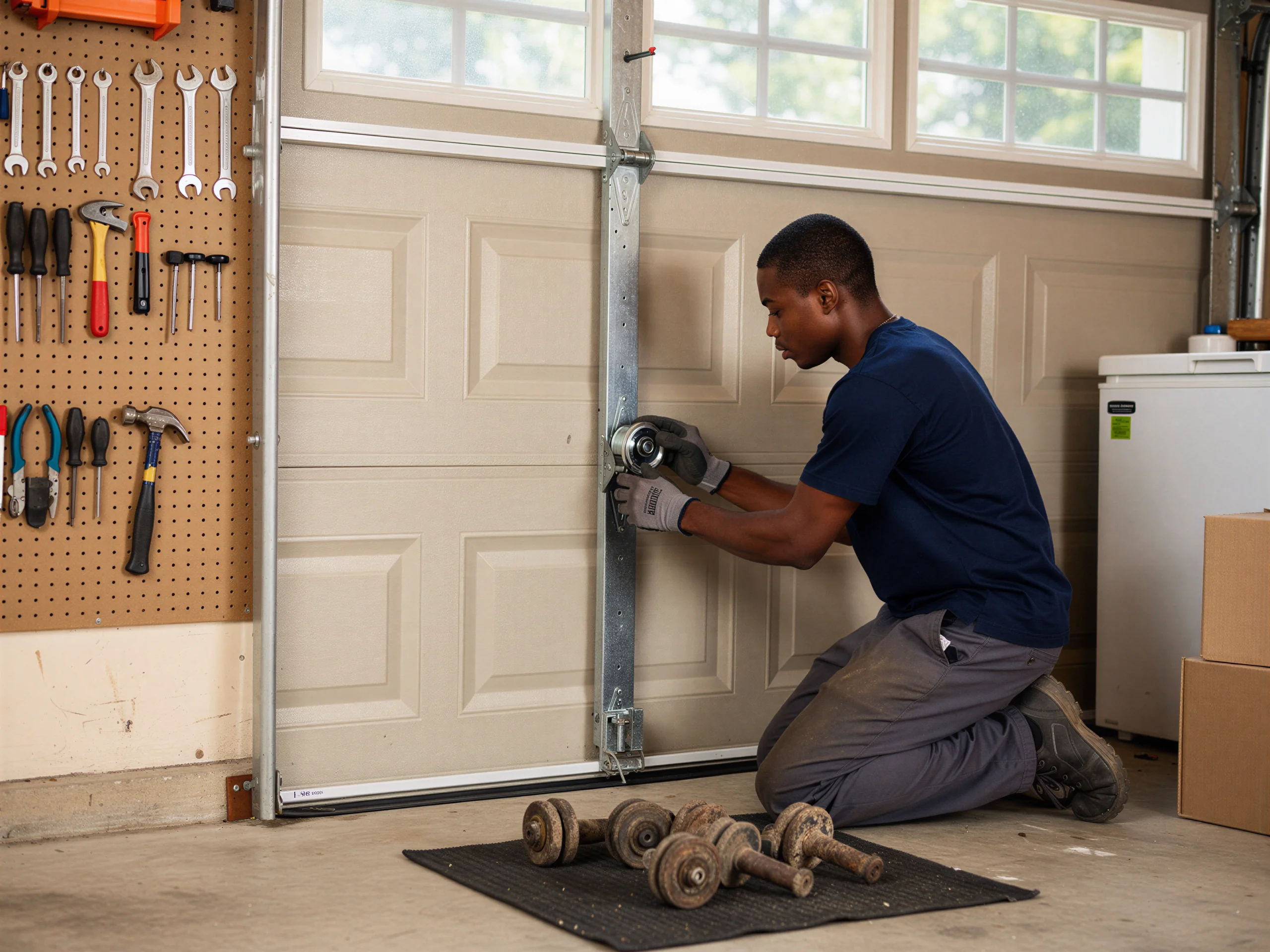
Minot Garage Door Pros repairs and installs garage doors, springs and openers in Minot, ND and the surrounding area.