
Binding and seam gaps
The door still runs, mostly, but you'll notice it binding slightly at that section as it passes through the track, or a gap at the seam that wasn't there last winter.
Minot, ND
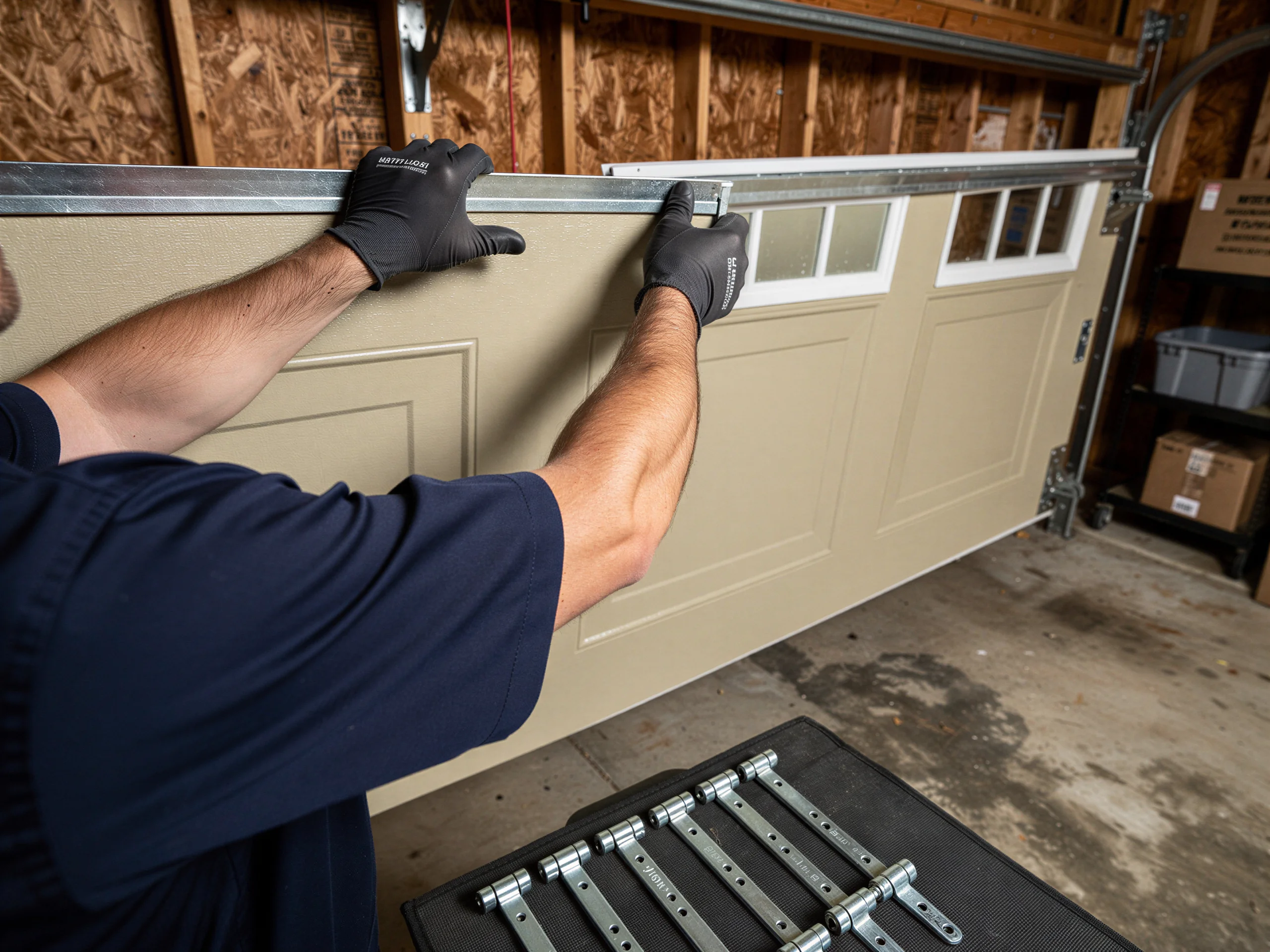
Panel replacement for the 1960s-90s steel doors common across Minot's service area, where cold-climate rust and frost-heave take their toll on the lower sections first.
Popular Services
DIY or pro
A cracked or dented panel looks like a job you could handle on a Saturday, and sometimes it is. If you've got a newer sectional door with a readily matched panel kit, swapping one section is within reach for someone comfortable with a socket wrench and a second set of hands. The trouble starts with doors built before matching hardware was standardized - a lot of what's still hanging on houses in this area went up between 1963 and 1998, with most of the stock dating to the 1960s and 70s across the four main neighborhoods we work in. On those older doors, finding a panel that matches the existing section width, hinge spacing, and track profile is the hard part, not the install. We'll tell you straight: if your door is from that era and only one panel is damaged, it's sometimes cheaper and faster to replace the whole door than to hunt down a one-off match. We'd rather say that up front than have you pay twice.
Local causes
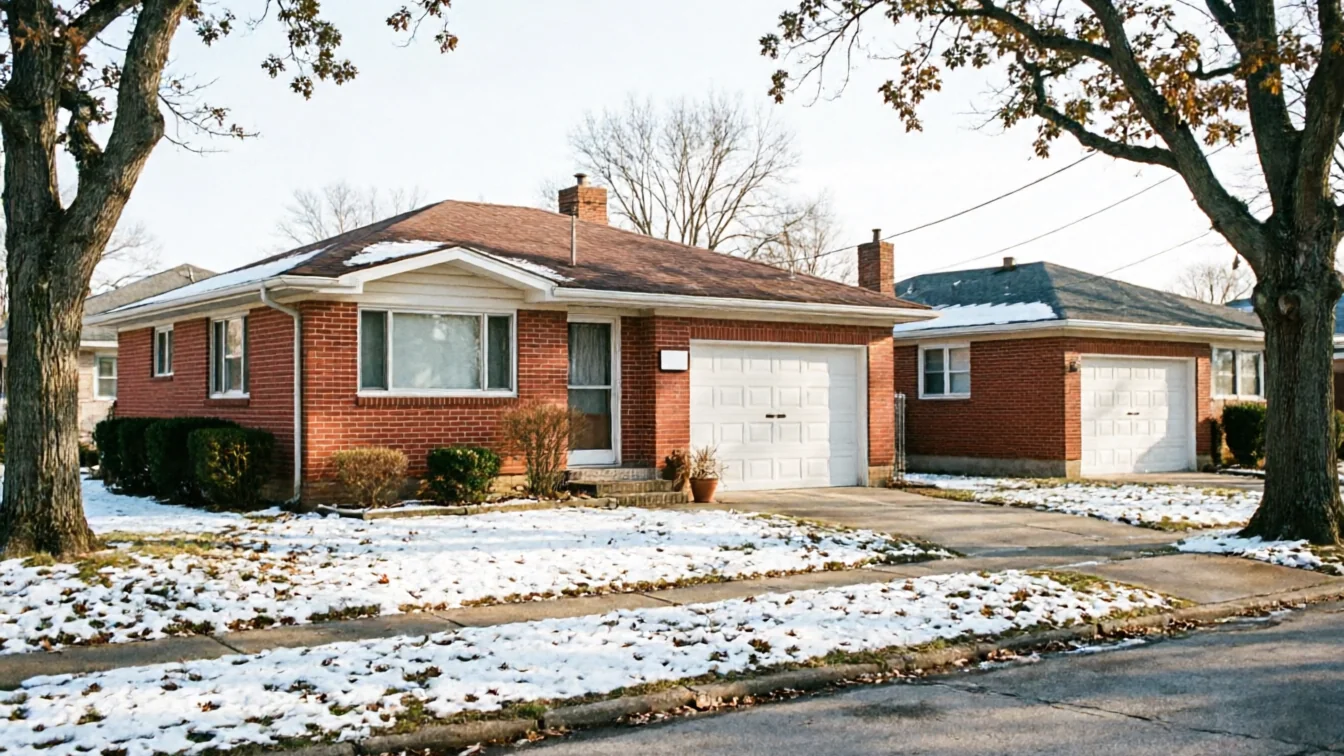
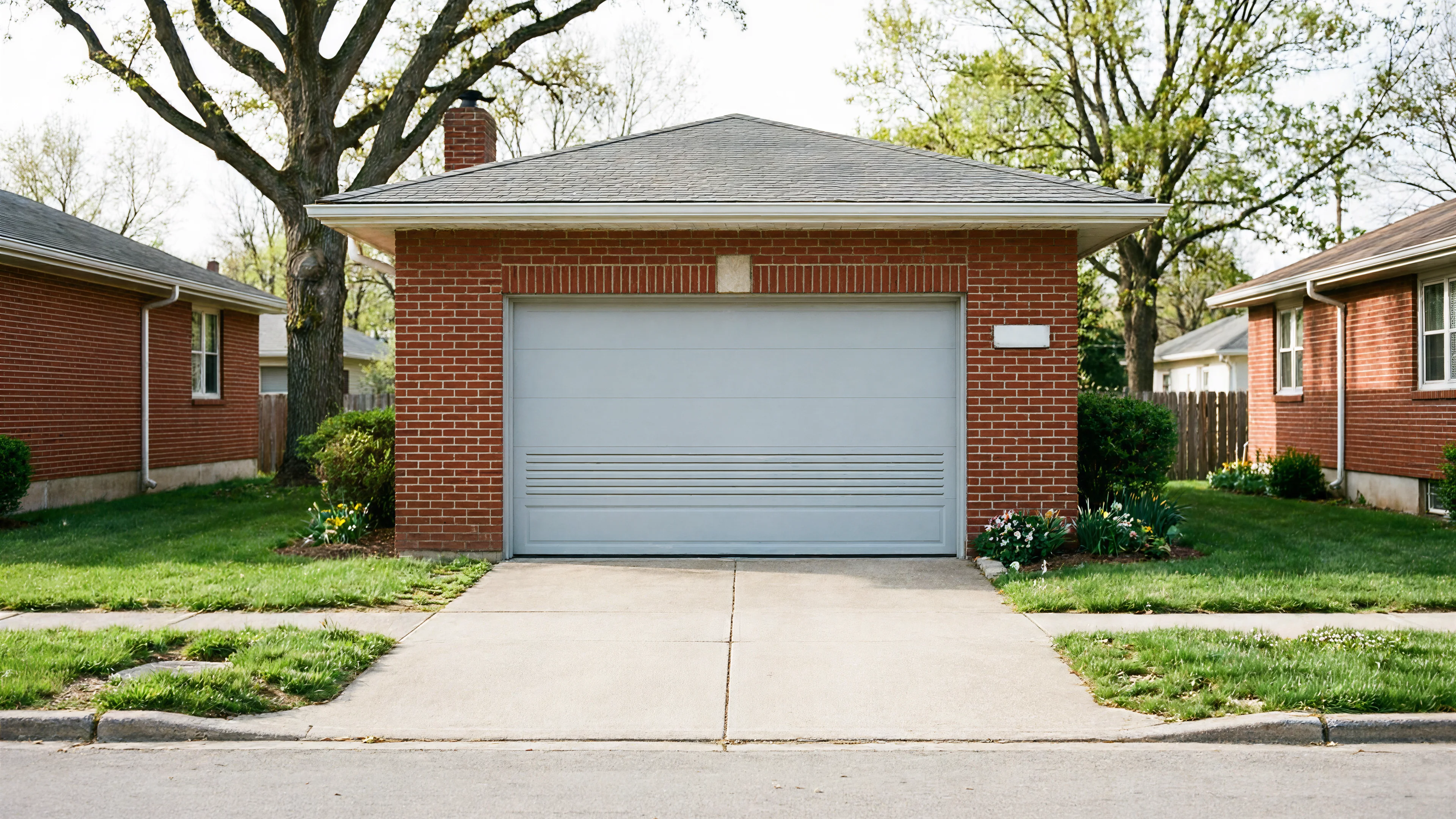
Minot sits in a severe cold climate band, and that matters more for panels than people expect. Steel panels flex with temperature swings, and repeated freeze-thaw cycling works at the seams and the foam-core bond inside older insulated sections until they separate or buckle. On the 1960s-70s doors that make up most of the stock in this service area, the steel gauge is thinner than what's sold today, so panels that would just dent on a newer door tend to crack or fold at the hinge line instead. Add in a plow strike, a trailer hitch backing in wrong, or just decades of expansion and contraction, and a single weak panel becomes the first one to go. We see this pattern on houses across Surrey, Des Lacs, Sawyer, and Glenburn as much as in Minot proper - it's a housing-age and climate problem more than a one-town problem.
Symptoms
Usually it starts small: a horizontal crease across one section, a corner that's pushed in and won't pop back, or a bottom panel that's gone soft and spongy where moisture worked into the foam core.
The door still runs, mostly, but you'll notice it binding slightly at that section as it passes through the track, or a gap at the seam that wasn't there last winter.
On older doors in this area, rust along the bottom panel edge is common too - standing water and road salt sitting against steel that's 40 to 60 years old doesn't end well.
If the damage is confined to one or two sections and the rest of the door is sound, panel replacement is worth pursuing before it turns into a full-door job.
Watch-outs
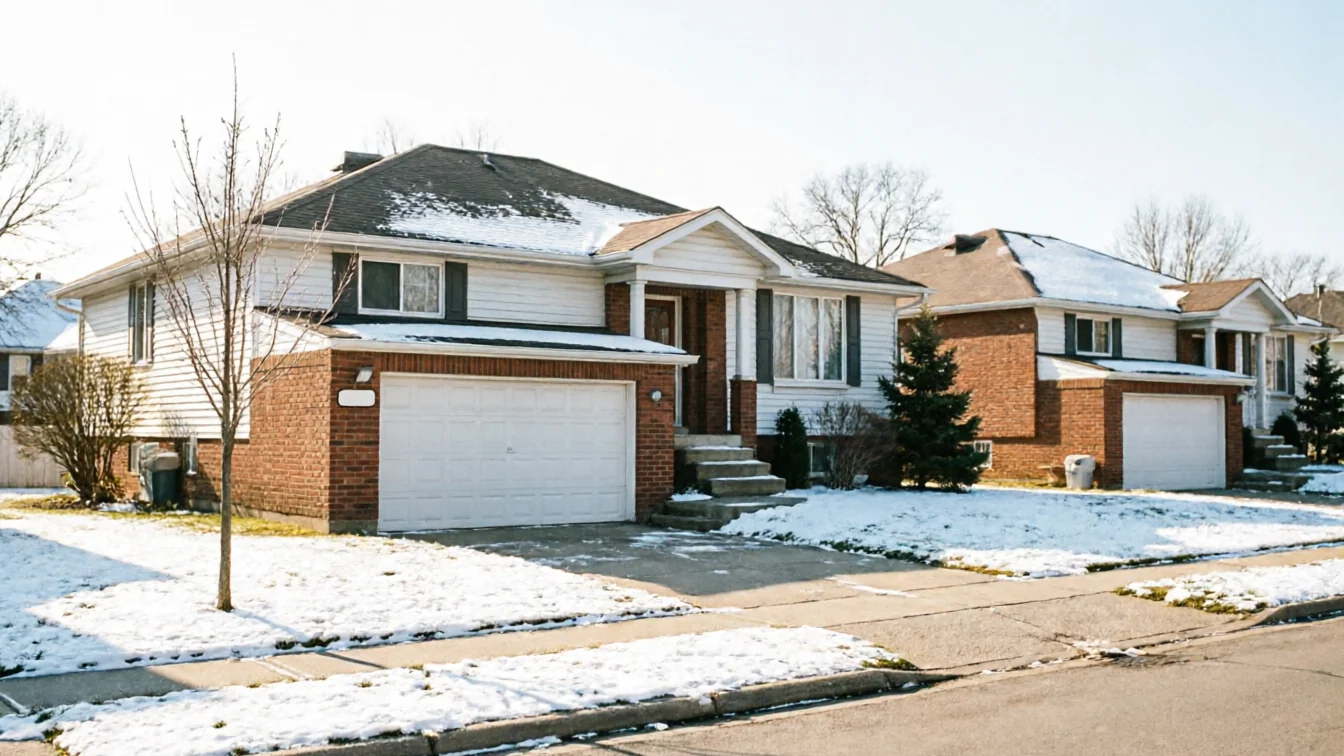
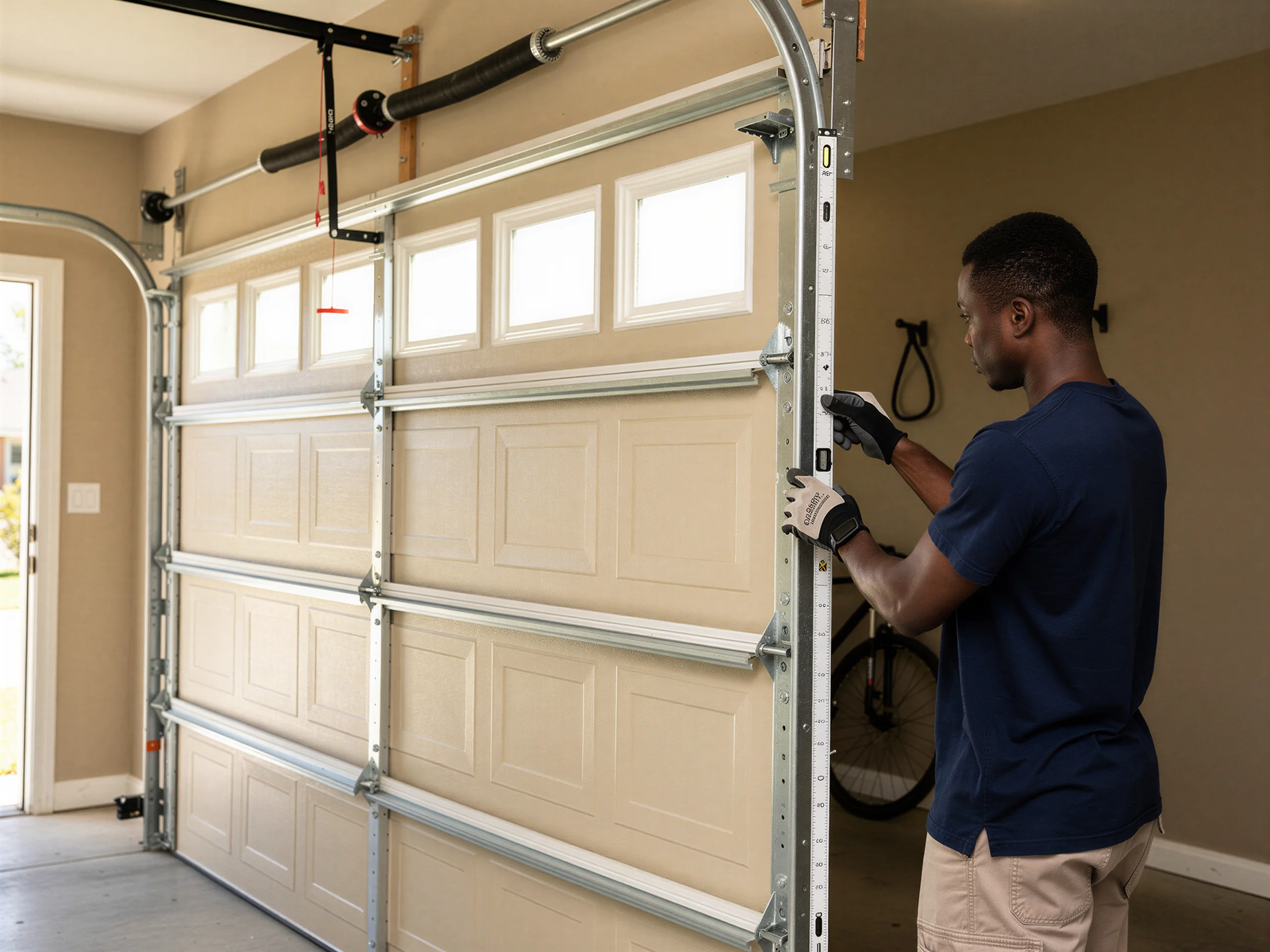
A damaged panel rarely stays a cosmetic problem. Once a section is bent or cracked, it can throw the door out of square in the track, which puts uneven strain on the rollers and the spring system - and on a house in this cold a struggling opener motor in January is not a repair you want to discover at 6am. We've also seen owners order a panel online that looks right but doesn't match the hinge spacing or track width on their specific door, since manufacturers changed section dimensions more than once over the decades these doors have been in service. That mismatch either won't install cleanly or puts the door out of alignment from day one. With 761 owner-occupied houses across our service area and a lot of that stock sharing the same build era, getting the measurement right before ordering matters more here than it would with a newer standardized door.
Questions
Often just one, especially on newer doors with standard section sizes. On the older 1960s-90s doors common in this area, matching an existing panel can be harder than the labor itself, and sometimes a full door replacement ends up being the more practical and cost-effective call.
That's usually a hinge-line stress point made worse by cold-climate freeze-thaw cycling acting on an aging steel panel. Once a section has flexed and cracked once, that same point is weaker and tends to fail again unless the whole panel is replaced.
Not always. Panel dimensions and finishes changed over the decades, so an exact match on a door from the 1960s or 70s isn't guaranteed. We measure the section, hinge spacing, and track profile before ordering so you're not stuck with a panel that doesn't sit right.
Explore more
Ready when you are
Minot Garage Door Pros repairs and installs garage doors, springs and openers in Minot, ND and the surrounding area.