
Blog
A Spring Doesn't Wait for Business Hours in Minot Cold
Minot homes built 1963-1998 pair aging steel doors with severe cold. Here's when a frozen spring or stuck track means call now, not tomorrow.
When to Get Help
If you hear a bang from the garage overnight in January, that's usually a torsion spring letting go. Cold steel is brittle steel, and a lot of the springs still working in this area are original to houses built between 1963 and 1998 - that's most of the housing stock across the service area. A spring rated for ten thousand cycles in a mild climate doesn't get that many cycles here before the metal fatigues faster from the temperature swings.
Call right away if the door won't budge, if it's hanging crooked on one side, or if you hear a cable snap. Don't try to force it open with the opener - that's how a bent track turns into a bent frame, or how someone gets hurt. If the door is just slow or noisy but still moves evenly, that can usually wait for a daytime appointment.
One thing we won't do is tell you a spring repair is urgent when it isn't. If the door is closed and staying closed, and you've got a car on the street for a day, that's an inconvenience, not an emergency. Save the after-hours call for when the door is actually stuck open or stuck shut.
Where People Go Wrong
The most common mistake we see in houses from the 1960s and '70s four-area stock is owners spraying WD-40 on the springs and tracks and calling it maintenance. WD-40 is a solvent, not a lubricant - it strips what grease is left on original hardware and leaves bare metal exposed right before a cold snap. On a door built in 1973, that bare metal has already lost tolerance from decades of expansion and contraction.
The second mistake is ignoring a slow opener motor through fall. In a severe cold climate, an opener that's straining in October is going to stall completely once temperatures drop hard, because cold thickens the grease in the gearbox and adds resistance right when the motor has the least power to spare. By the time it fails, it's usually a weekend, and it's usually below zero.
We also see people replace a single broken spring on a double door and leave the matching spring alone. Both springs age the same way under the same cold cycling. One honest limitation here: if the second spring is more than a few years old, we'll tell you to replace both, even though that costs more up front - a single mismatched pair fails again within a season more often than not.
How Local Conditions Play In
This area sits in a severe cold climate band, and that changes what actually breaks, not just how often. Steel springs lose elasticity as temperature drops, so the same door that cycles fine in September can bind or snap in January with no extra load. Nylon rollers common on older doors crack rather than wear smoothly once they go brittle below freezing. Weatherstripping on doors from the 1970s has usually hardened to the point it no longer seals, which lets cold air push straight onto the spring and track assembly instead of just the slab.
With roughly 761 owner-occupied houses across the service area and most of the stock dating to the 1960s and '70s, a lot of garages are carrying hardware that was never designed for the duty cycle a modern household puts on it - two vehicles, daily openings, decades of freeze-thaw. None of that is a flaw in the original installation. It's just what forty-plus winters do to steel and nylon.
What Is Going On
Put the housing age and the climate together and the picture is pretty simple. A median build year of 1973 means a lot of this area's garage doors and openers are on at least their second or third hardware cycle, and severe cold shortens that cycle compared to a milder state. Household income here runs a median of $73,375, which tells us most owners can plan a proper repair rather than patch it - but a patched repair in this climate tends to fail again at the worst time, usually the next cold snap.
If you're in Surrey, Des Lacs, Sawyer, or Glenburn and your door is original to a house from that 1960s-90s build window, treat a slow opener or a stiff spring in October as a warning, not a nuisance. The repair is the same whether you make it now or in February - except in February it's an emergency call instead of a scheduled one.
Questions
Common questions
Why does my garage door spring break in winter and not summer?
Cold steel is more brittle, so a spring near the end of its life is far more likely to snap when temperatures drop hard. In this severe cold climate, that failure point often lands mid-winter instead of spread evenly through the year.
My house was built in the 1970s - is the opener original?
It's possible, especially across the four main areas where most homes date to the 1960s and '70s. An opener that old has outlived its expected service life several times over and is worth inspecting before it fails outright.
Should I replace one spring or both?
If your door has two springs and one just broke, the other has seen the same cold cycling and is usually close behind. Replacing only one often means a second service call within a season.
Is WD-40 okay for my garage door tracks?
No - it's a solvent and strips existing lubricant rather than replacing it. That leaves bare metal exposed right before cold weather, which is when you need protection most.
Recommendation
You Might Also Like
More garage door guides for Minot homeowners.
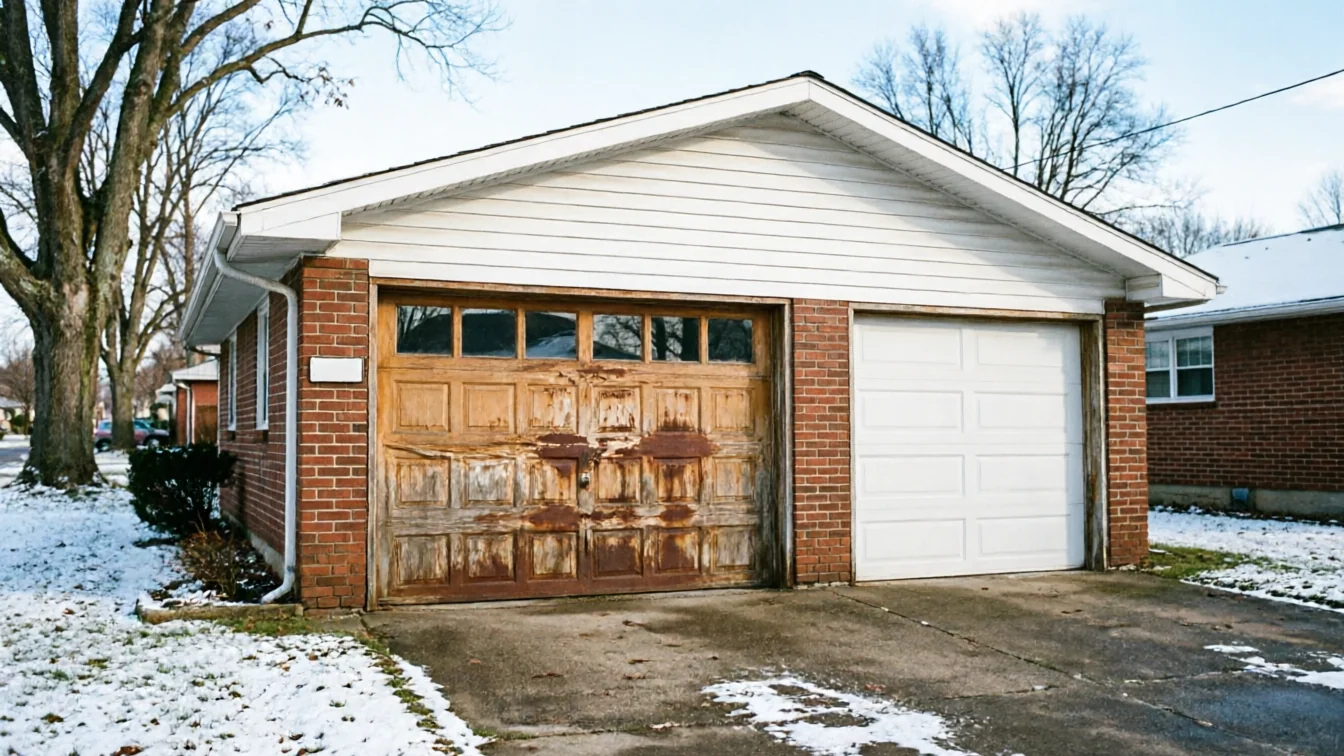 What's Actually Included When You Call for a Garage Door Repair in Minot
In Minot, ND, a service call usually means checking springs, tracks, and openers in homes built mostly between 1963 and 1998, in a severe cold climate.
What's Actually Included When You Call for a Garage Door Repair in Minot
In Minot, ND, a service call usually means checking springs, tracks, and openers in homes built mostly between 1963 and 1998, in a severe cold climate.
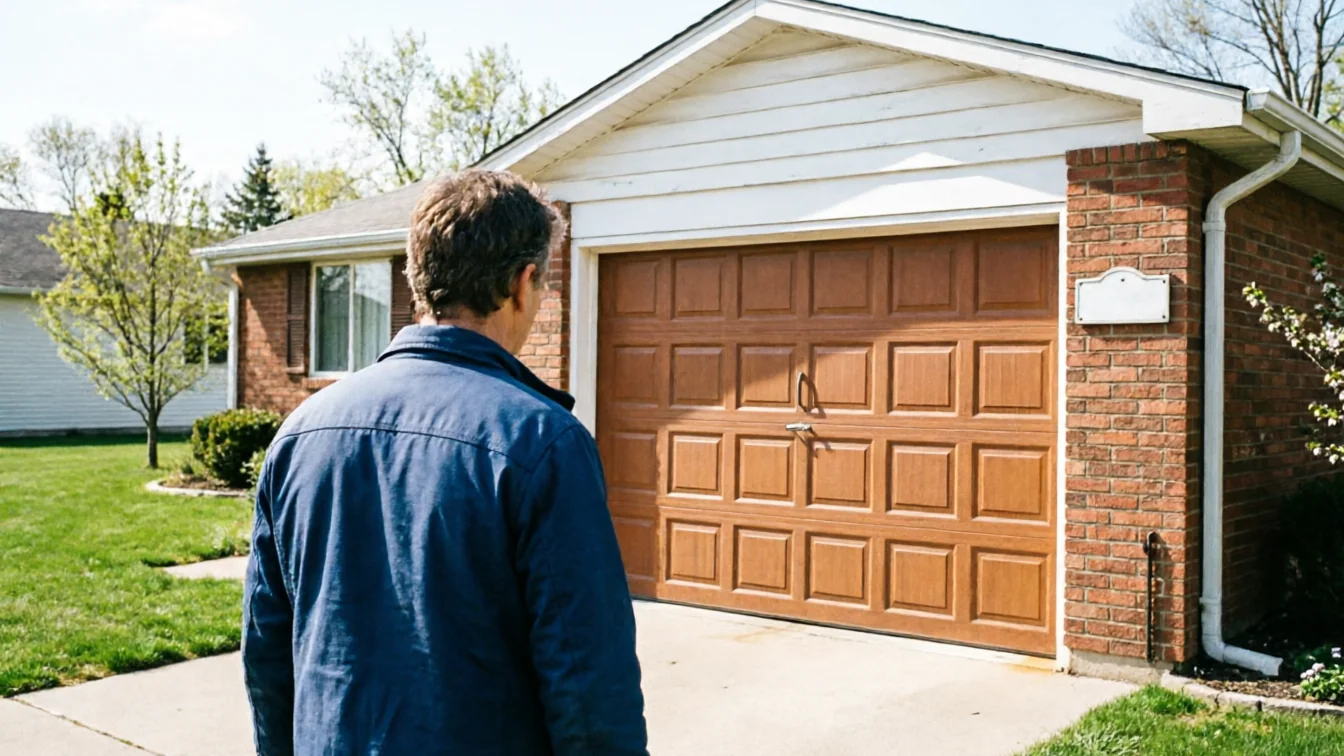 Garage Door Help Built Around Minot's Housing and Winters
Minot Garage Door Pros helps homeowners in Minot, ND with doors built for a 1963-1998 housing stock and severe cold winters.
Garage Door Help Built Around Minot's Housing and Winters
Minot Garage Door Pros helps homeowners in Minot, ND with doors built for a 1963-1998 housing stock and severe cold winters.
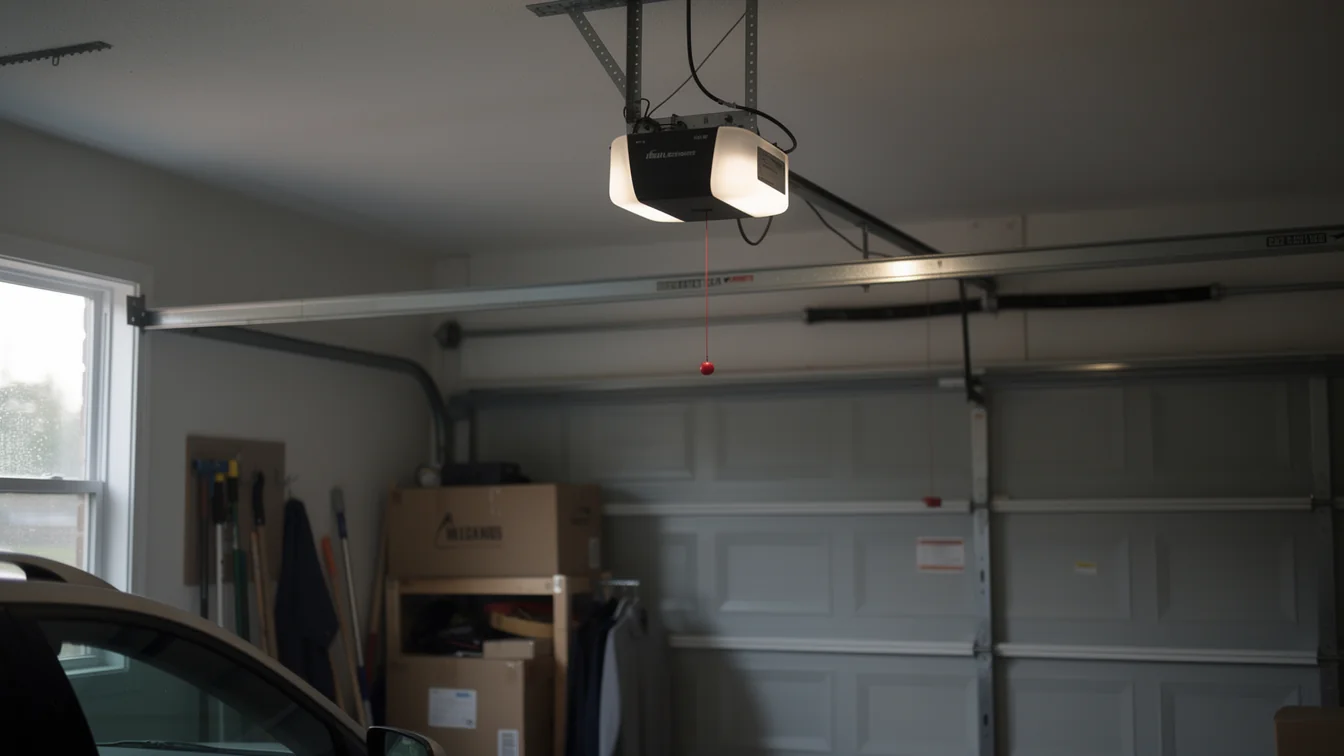 Deciding If an Old Door Still Has a Repair Left in It
Minot ND homes built 1963-1998 often still run original steel doors.
Deciding If an Old Door Still Has a Repair Left in It
Minot ND homes built 1963-1998 often still run original steel doors.
Ready when you are
Need a garage door sorted in Minot?
Minot Garage Door Pros repairs and installs garage doors, springs and openers in Minot, ND and the surrounding area.